Overview
Garden Guardians grew out of a single design question: how might we use interactive gameplay to introduce sustainable practices to children in a way that feels playful, intuitive, and empowering? In just 16 hours at the 2024 Fully Beyond Designathon, my teammate and I built a fully interactive Figma prototype complete with custom hand-drawn artwork, a built 3D environment, and a grounded research foundation.
The game encourages young players to plant gardens, compost waste, clean up litter, and explore eco-friendly practices, all within a low-pressure environment designed to excite children about caring for nature rather than lecture them about it. We placed 3rd overall!
What I was responsible for
- All visual design and art direction
- Custom character & sprite design (Procreate)
- Plant & crop illustrations, different growth stages
- Interactive elements: compost bin, trash, fruit
- Full 3D environment build in UEFN
- Interface elements & thematic illustrations
- Game's visual language & tone direction
- Storyline development & Figma integration support
My teammate conducted user research and led assembly of the game flow in Figma (I supported as well), combining our assets into the final interactive prototype.
Asset Contributions in Detail
I worked on most of visual side of the project, from establishing the art direction on to placing sprites into the final high-fidelity prototype. Every asset the player sees was drawn or built by me. The character drawings were simple, but we were under a time crunch to start on the prototype!
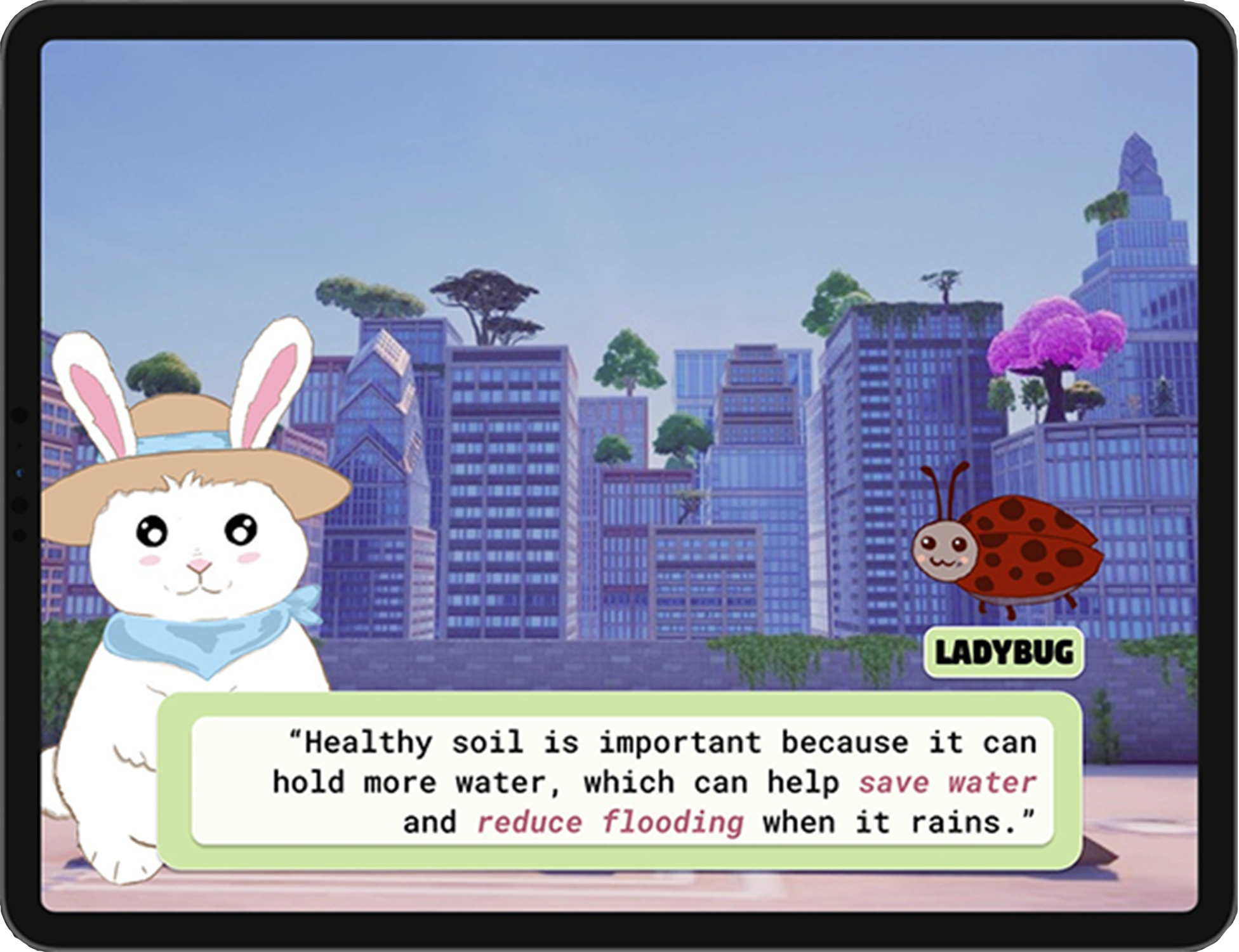
Hand-drawn character sprites — Procreate
What the Game Does
Garden Guardians gives players a virtual city garden to care for. Players are visited by animals called "Garden Guardians", who teach them about sustainability, biodiversity, pollination, and the importance of gardening and composting. The core loop is simple enough for an 8-year-old but layered enough to hold attention: every action teaches a real sustainability principle while allowing the player to interact with the environment and practice each principle.
Our design principles were agency, exploration, and care. Children should feel like genuine change-makers, not students being tested. Because of this, the game has no fail states, timers, or wrong actions. It just directs you which actions to take by suggesting items to click.
Research & Findings
Despite the hackathon timeline, we did continuous research along with early design: an academic literature review on game-based learning, a retrospective survey of 20 older students and young adults on their childhood game experiences, and a direct interview with an 8-year-old player to ground our assumptions in reality. This was the capacity we had with limited time (around 22 hours after learning the prompt).
We also applied a value-sensitive design lens throughout. We actively designed with children's perspectives and values in mind, even when we couldn't conduct broad testing with more than one member of the target group directly.
"I like the harvest part. Can I cook with the food I grow?"
— 8-year-old research participant, immediately after learning about crop harvestingThat moment shaped a potential idea for a part 2: a cooking mechanic where players use harvested crops to create meals, combining sustainability with creative play and healthy messaging. The same participant really enjoyed the character design, and also expressed a strong desire for ownership and personalization - naming plants, customizing the garden, which gave us great suggestions for future iterations of the product.
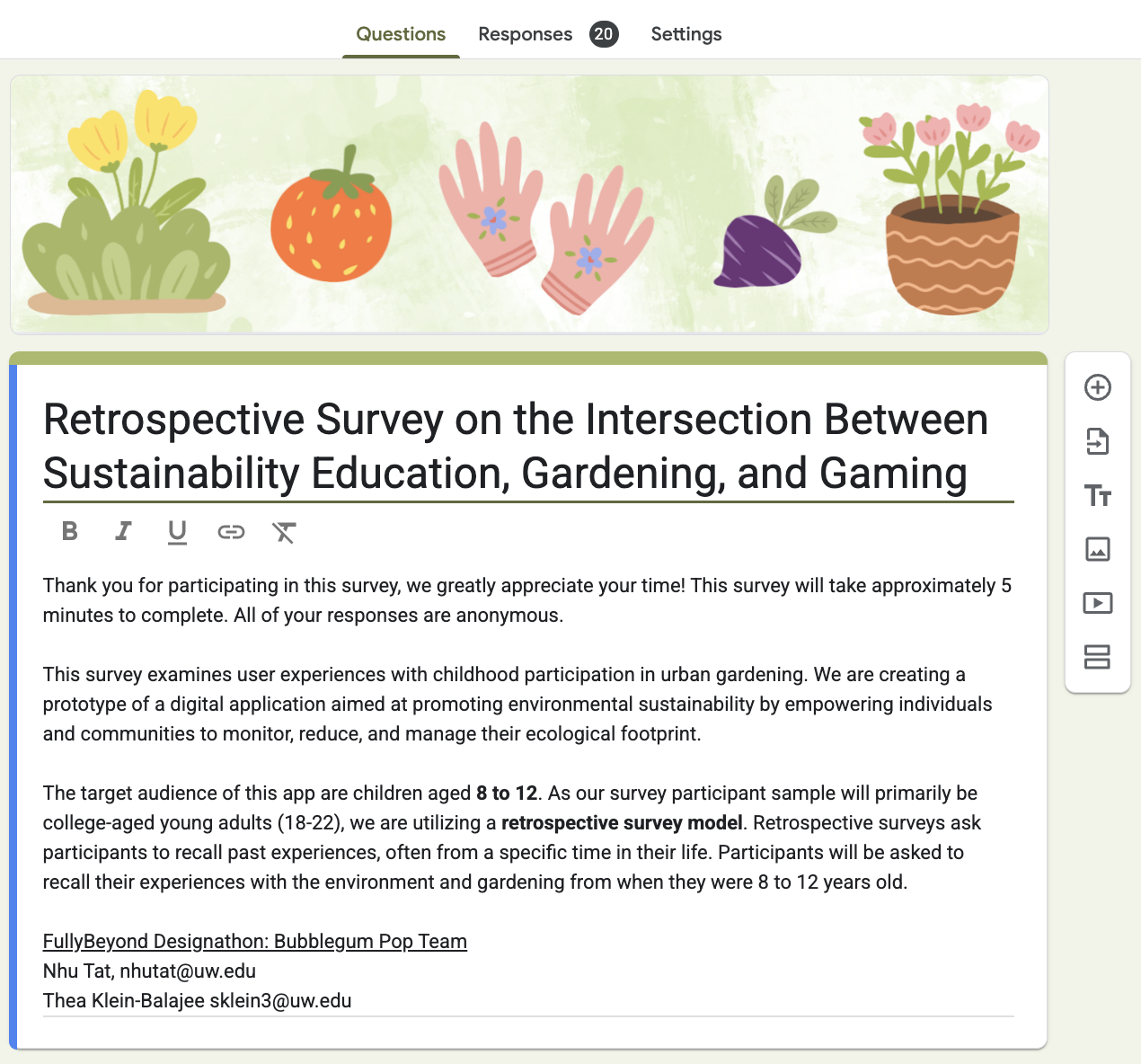
User survey
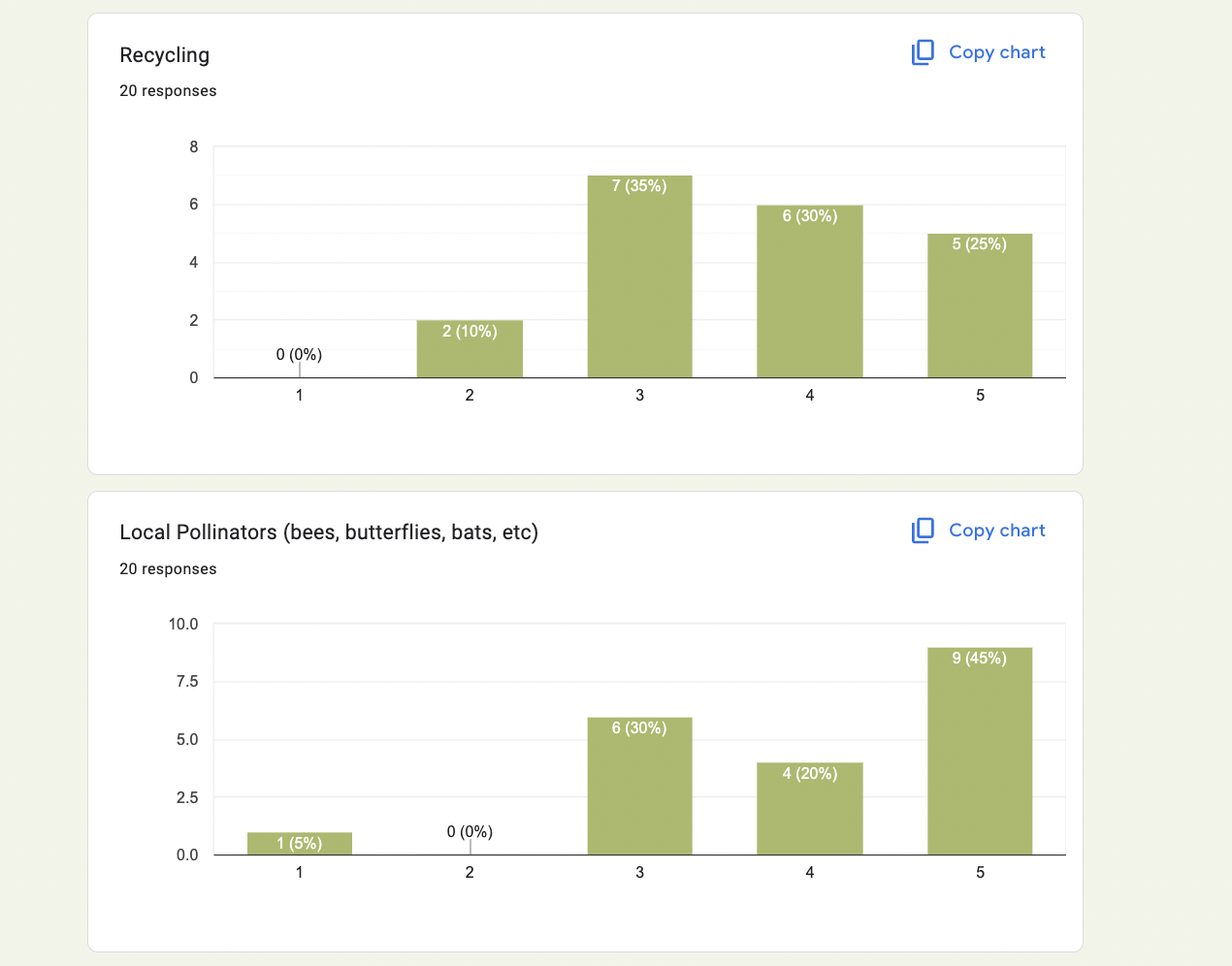
Research findings
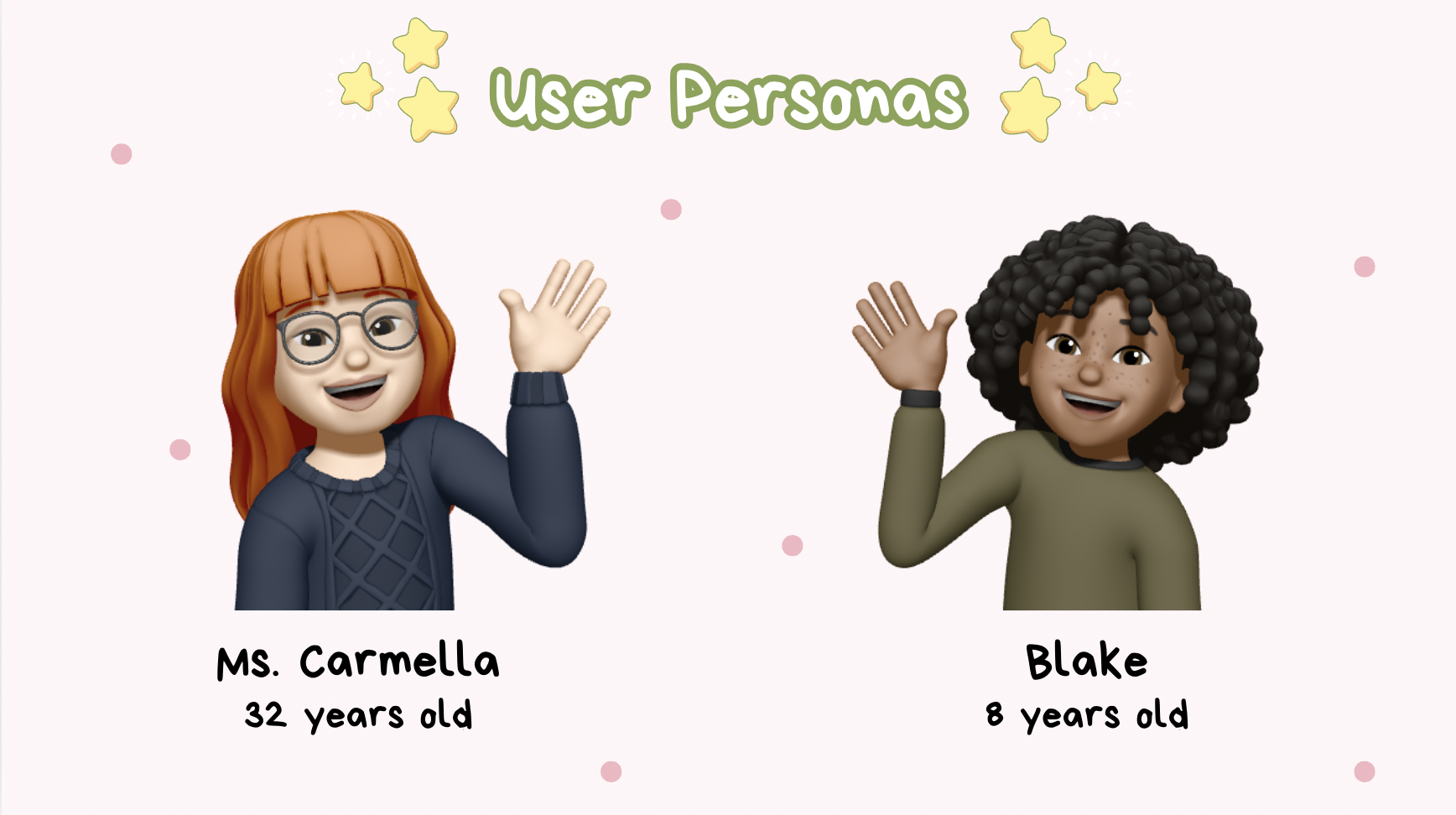
User personas
Design Process
Fifteen hours across five overlapping phases. Research and design ran simultaneously from hour one. There was no time for a clean sequential handoff and set of steps, and working that way turned out to produce a tighter result than a linear process would have. Most of the time, we were working on multiple things at once.
The low-fidelity wireframe phase was deliberately kept rough - it existed only to lock down screen structure and task pacing before we invested time in visual polish. Key lo-fi screens covered the landing page, garden setup, in-game task interface, and educational pop-ups. The hi-fi pass then layered in all custom artwork, transitions, hover effects, and frame-by-frame animations.
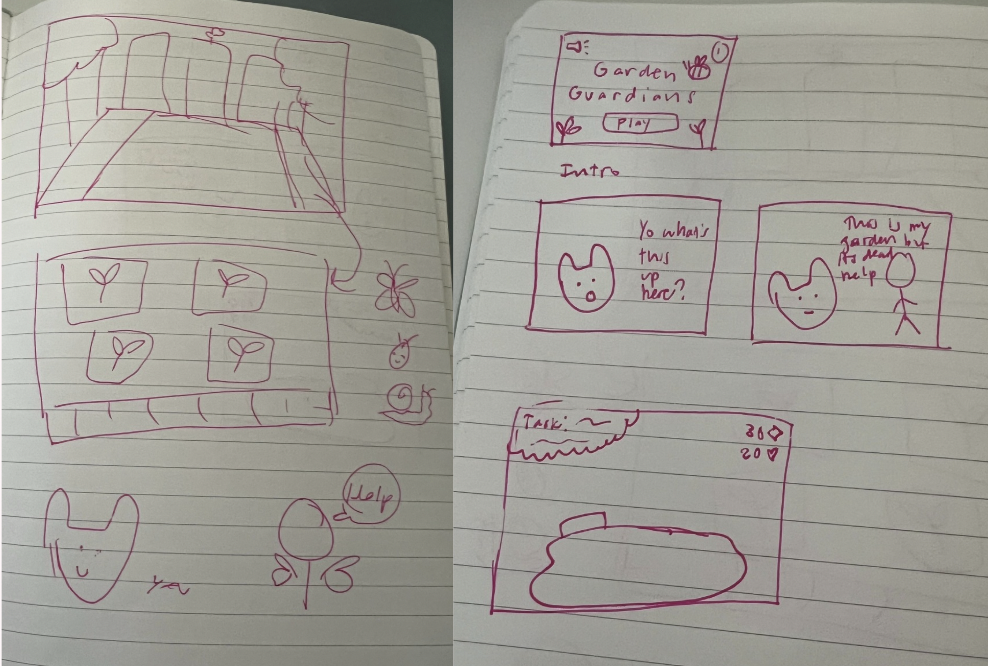
Early concept sketches: ideation phase
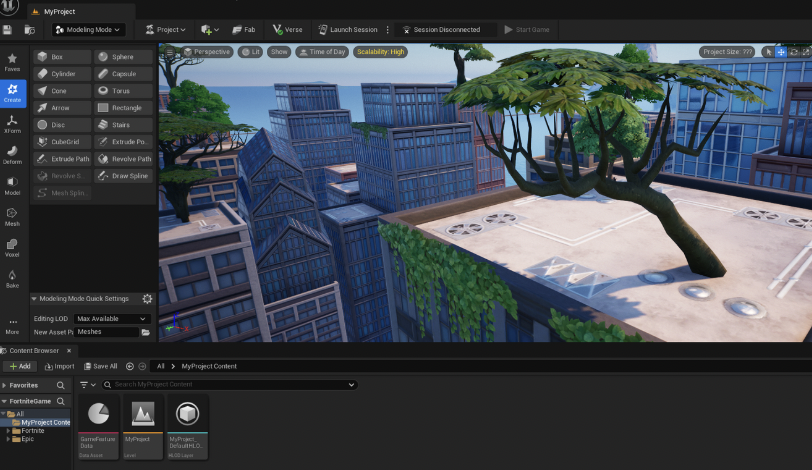
City garden: Unreal Engine Fortnite
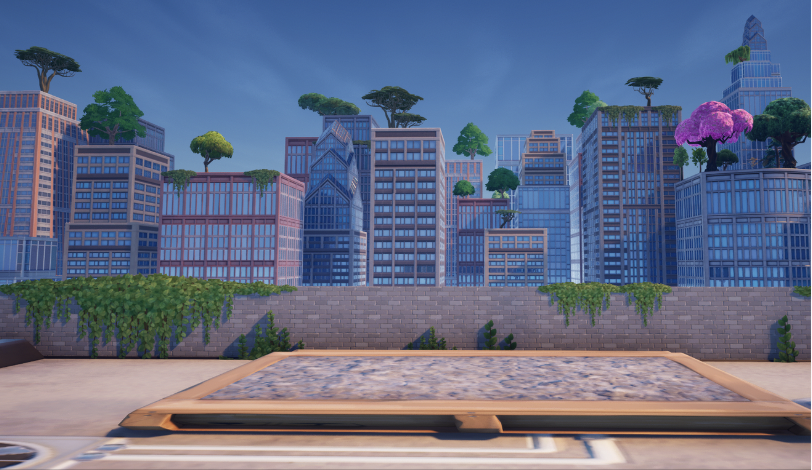
Environment background: UEFN
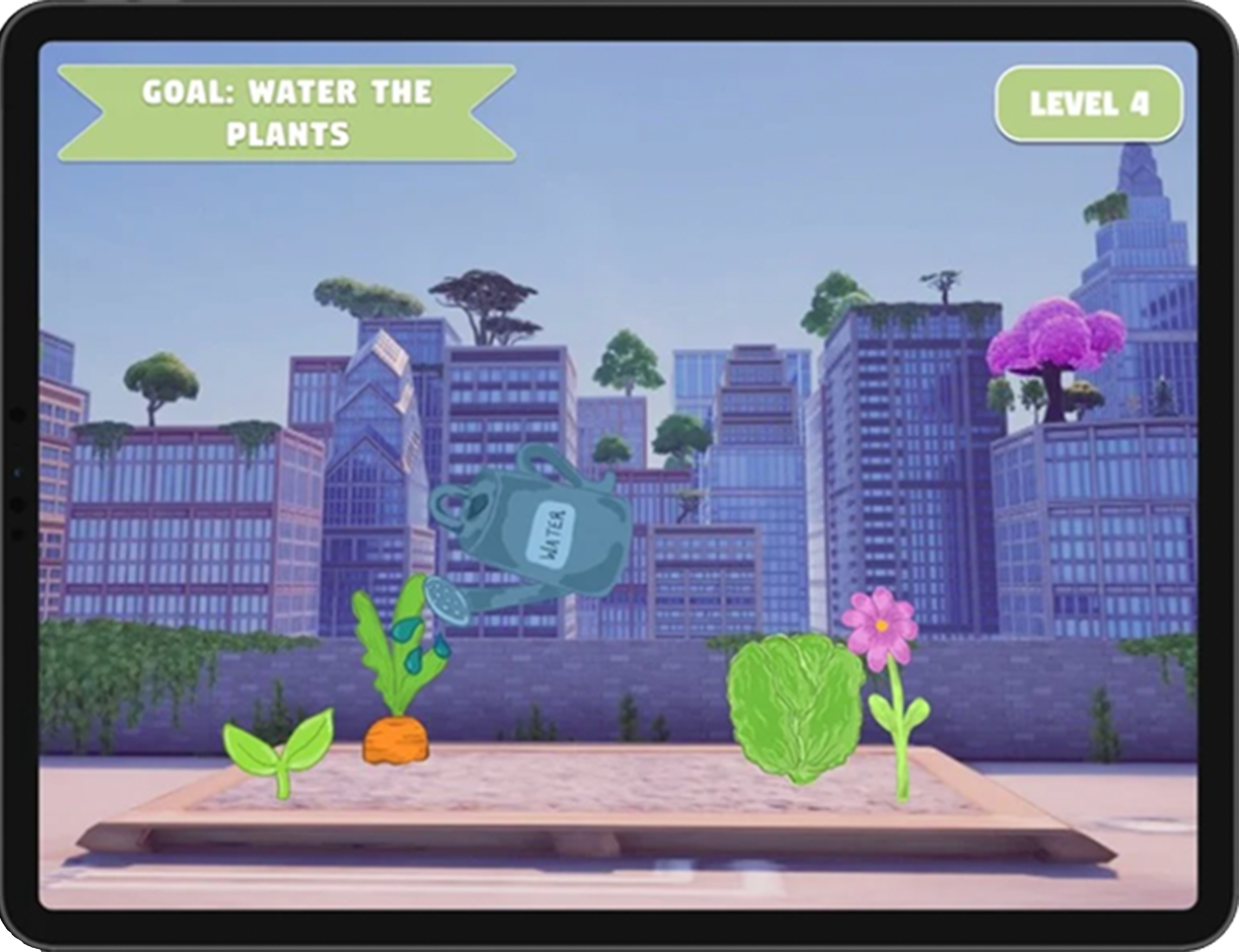
Watering plants illustration: Procreate
Outcomes
In 15 hours, we shipped a fully interactive prototype with custom art, a research foundation, and a coherent game design, placing 3rd overall out of all submissions at the Fully Beyond Designathon 2024.
at designathon
time
no kits used
Figma prototype
"We aimed to empower, not lecture, and designed with an emphasis on agency, discovery, and environmental empathy rather than rigid goals or tests."
→ Design principle guiding every decision in Garden GuardiansBeyond the placement, the research validated a real gap: 95% of surveyed adults reported minimal environmental education as children, and they identified the topics our game covers, such as composting, food systems, local pollinators, as the most important for kids to learn. Garden Guardians is designed to fill that gap in a way that feels like play, not school.
Retrospective
Sixteen hours is a brutally compressed timeline for a game with research, custom art, a 3D environment, and a full interactive prototype. Part of why I think we placed in the Designathon, though (even if we were supposed to submit an app) is because our product was backed by extensive user research. Ideally, we would have more time to polish things and create more interactions. That being noted, here's what I'd take into the next version.